
Bookkeeping vs Accounting: What’s The Difference For Small Businesses?

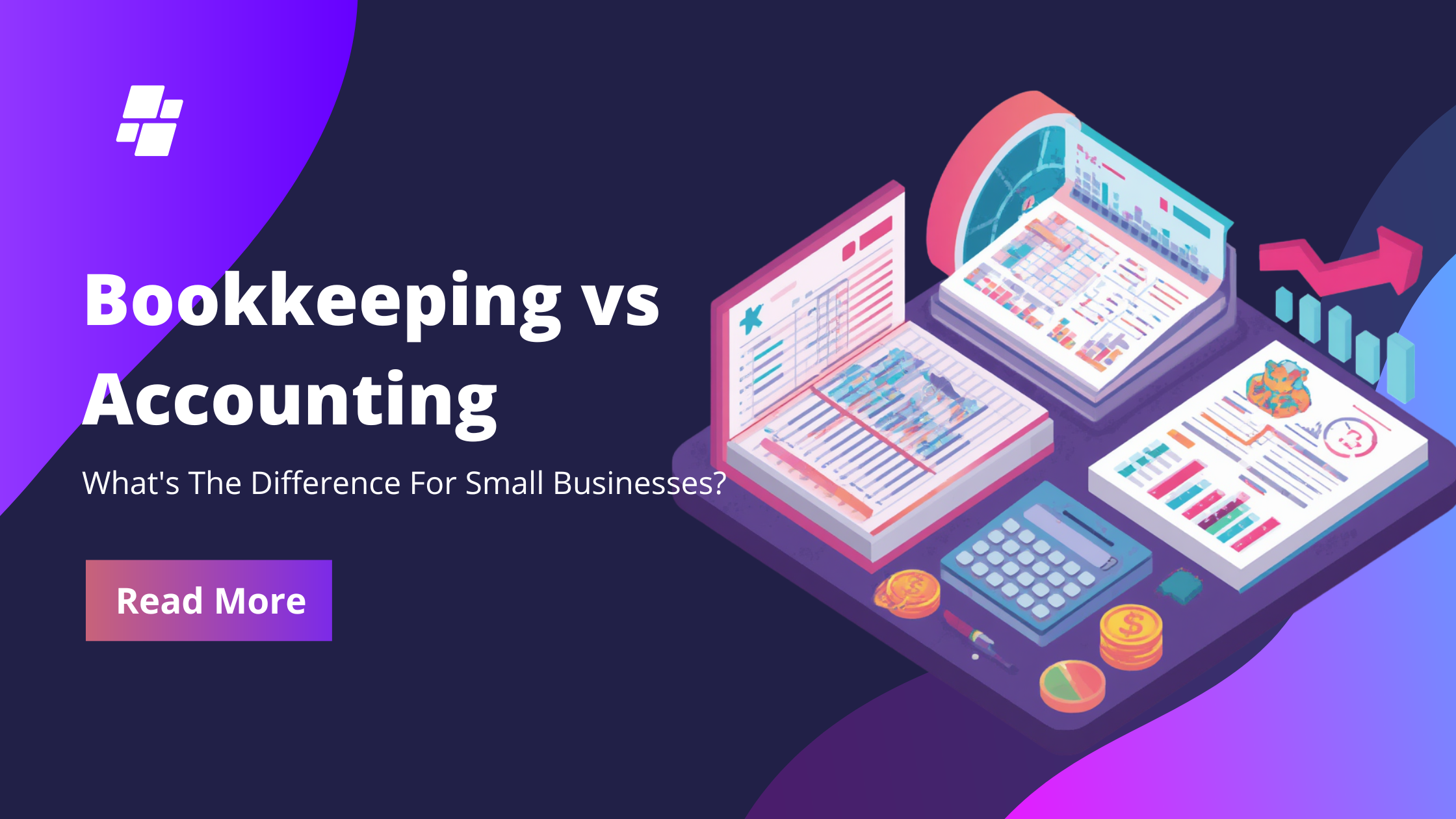
Bookkeeping vs Accounting: What’s The Difference For Small Businesses?
Bookkeeping rarely feels urgent until something goes wrong. A missed invoice, a surprise tax bill, or a set of numbers that simply does not add up can quickly affect your cash flow and peace of mind.
For small business owners in the UK, the good news is that the most common bookkeeping mistakes are predictable. That means they can usually be prevented with the right systems, routines, and professional support.
Accurate records help you understand your finances, claim allowable expenses, prepare for tax deadlines, and make better decisions. If your records are already becoming difficult to manage, professional bookkeeping services can help bring everything back under control.
Mixing Personal And Business Finances
One of the most common bookkeeping mistakes is using the same bank account for personal and business transactions. It may feel harmless at first, especially for sole traders and new businesses, but it quickly creates confusion.
When personal spending appears alongside business income and expenses, it becomes harder to understand true profitability. It can also create problems when preparing tax returns, reviewing cash flow, or responding to questions from HMRC.
The fix is simple: use a dedicated business bank account for business activity. If historic transactions are mixed, review them carefully and separate personal spending from legitimate business expenses.
Skipping Bank Reconciliation
Bank reconciliation means matching the transactions in your bookkeeping records against your bank statements. It is one of the simplest ways to check whether your accounts are accurate.
When reconciliation is skipped, missing payments, duplicate entries, bank charges, and incorrect postings can go unnoticed. Over time, your cash balance becomes unreliable and business decisions are made using inaccurate information.
Small businesses should reconcile accounts at least monthly. Businesses with higher transaction volumes may benefit from weekly checks.
Losing Receipts And Supporting Documents
Receipts and supporting documents prove that your business expenses are genuine. Without them, you may miss valuable tax deductions or struggle to justify claims if HMRC asks for evidence.
Digital receipt capture is one of the easiest ways to prevent this. Take a photo of each receipt at the point of purchase and attach it to the relevant transaction in your accounting software.
UK businesses must keep appropriate records for tax purposes. You can check official guidance on business record keeping through GOV.UK record keeping rules.
Misclassifying Expenses
Expense misclassification happens when transactions are posted to the wrong category. For example, equipment, travel, software, marketing, and personal costs all need to be treated correctly.
Incorrect categories can distort profit reports, affect tax calculations, and make year-end accounts more time-consuming to prepare.
A clear chart of accounts helps prevent this. Each category should have a simple definition so everyone entering data understands where costs belong.
Falling Behind With Bookkeeping Entries
Bookkeeping becomes much harder when it is left for weeks or months. Receipts go missing, transaction details are forgotten, and small errors become more difficult to trace.
Setting aside a regular time each week to update your records can prevent a large year-end cleanup. Even 30 minutes a week can make a significant difference for many small businesses.
If your records are already behind, work through the backlog in stages. Start with the oldest month, reconcile it fully, then move forward until everything is current.
Ignoring Financial Reports
Bookkeeping is not just about recording transactions. The real value comes from reviewing what the numbers are telling you.
Every month, business owners should look at basic reports such as profit and loss, balance sheet, aged debtors, and cash flow. These reports help identify trends, overdue invoices, rising costs, and potential shortfalls.
For businesses that need more regular insight, business advice and management reporting can help turn financial data into practical decisions.
Not Chasing Invoices Quickly Enough
Late payment is one of the biggest causes of cash flow pressure. If invoices are sent late or not followed up, money the business has already earned remains unavailable.
Set clear payment terms, send invoices promptly, and use automated reminders before and after the due date. An aged debtors report can show which invoices are overdue and which clients need chasing.
Good bookkeeping makes it easier to see what you are owed and act before late payment becomes a bigger issue.
Trying To Do Everything Without Oversight
Many business owners start by managing their own bookkeeping. That can work at the beginning, but as the business grows, small mistakes often become harder to spot.
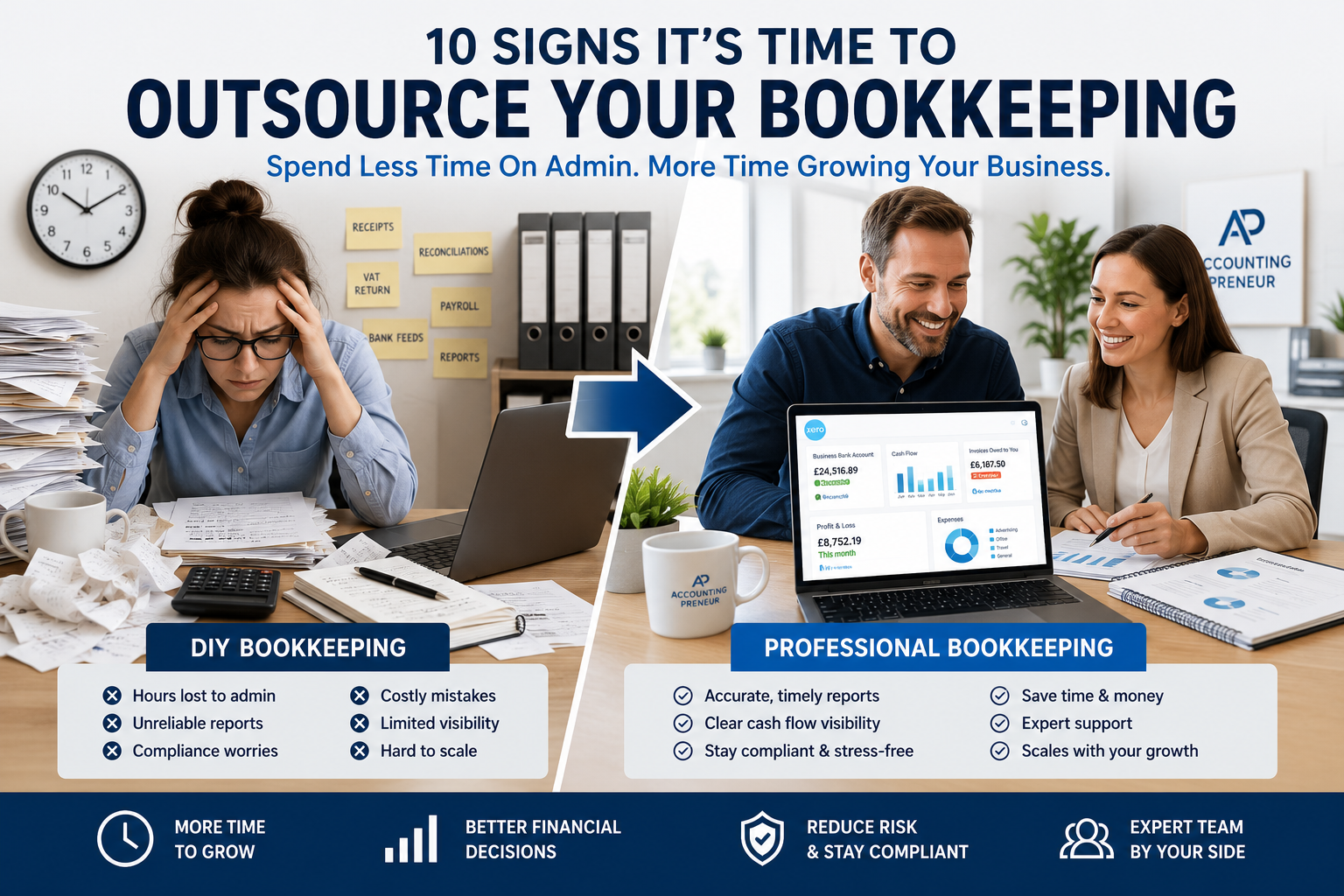
If bookkeeping is taking several hours a week, deadlines are being missed, or you are unsure whether the figures are correct, it may be time to seek professional support.
Even if you continue managing day-to-day records yourself, a periodic review from an accountant or bookkeeper can help identify errors early. Businesses in Central London may also benefit from speaking to experienced accountants in Fitzrovia for wider financial guidance.
Failing To Plan For Tax Deadlines
Tax deadlines should never come as a surprise. Poor bookkeeping often leads to rushed tax returns, unexpected bills, and missed opportunities to claim allowable expenses.
Create a tax calendar with key filing dates, payment deadlines, and quarterly review points. Setting aside money for tax throughout the year also helps avoid pressure when payments become due.
If VAT applies to your business, accurate records are essential for preparing and submitting returns. Dedicated VAT services can help with VAT returns, Making Tax Digital requirements, and ongoing compliance.
Over-Relying On Automation
Accounting software is useful, but it is not perfect. Automated bank rules and category suggestions can repeat the same mistake across dozens of transactions if they are set up incorrectly.
Review automated rules regularly and check that transactions are being coded correctly. Software should support good bookkeeping, not replace human judgement.
Making Tax Digital has also increased the importance of keeping digital records correctly. You can read official guidance on Making Tax Digital for VAT.
Forgetting Payroll Entries
Payroll can also affect bookkeeping accuracy. Wage costs, pension contributions, PAYE liabilities, and employer National Insurance all need to be recorded correctly in the accounts.
If payroll journals are missed or posted incorrectly, profit reports and balance sheet figures may become unreliable.
Businesses with employees should make sure bookkeeping and payroll records are aligned. Professional payroll services can help keep payroll accurate while supporting wider financial reporting.
How To Prioritise Fixes
If several bookkeeping issues need attention, start with the problems that affect cash flow and compliance first.
Begin by separating personal and business finances. Then bring bank reconciliation up to date. After that, review invoice chasing, expense categories, and missing documents.
Fixing these areas gives you a more reliable foundation for tax planning, financial reporting, and future decision-making.
A Simple 90-Day Bookkeeping Recovery Plan
During the first 30 days, open or fully commit to using a dedicated business bank account. Review mixed transactions and move personal spending out of business expenses.
During days 31 to 60, reconcile your bank and card accounts. Investigate unmatched items, correct duplicate entries, and make sure your closing balances agree with your bank statements.
During days 61 to 90, improve your invoicing and reporting routines. Send invoices promptly, activate reminders, and review your aged debtors report each month.
Final Checklist For Small Businesses
- Use a dedicated business bank account
- Set a weekly bookkeeping routine
- Capture receipts digitally
- Reconcile bank accounts monthly
- Review profit, cash flow, and overdue invoices
- Keep records for the required period
- Ask for professional help before small errors become expensive
Final Thoughts
Bookkeeping is not just admin. It is the financial infrastructure that supports cash flow, tax compliance, and better business decisions.
The most common bookkeeping mistakes are often cheap to prevent but expensive to fix. Mixing finances, skipping reconciliation, losing receipts, and chasing invoices too late can all create unnecessary pressure.
Start with one improvement today. Separate your accounts, reconcile your bank transactions, or review your overdue invoices. Then build a simple routine that keeps your records accurate and your business finances easier to manage.
If you want support improving your bookkeeping, cash flow visibility, or tax readiness, speak to one of our specialists today.
Get in touch today to see how we can help you!
Contact us




.png)
-min.png)

.png)


